Quicche
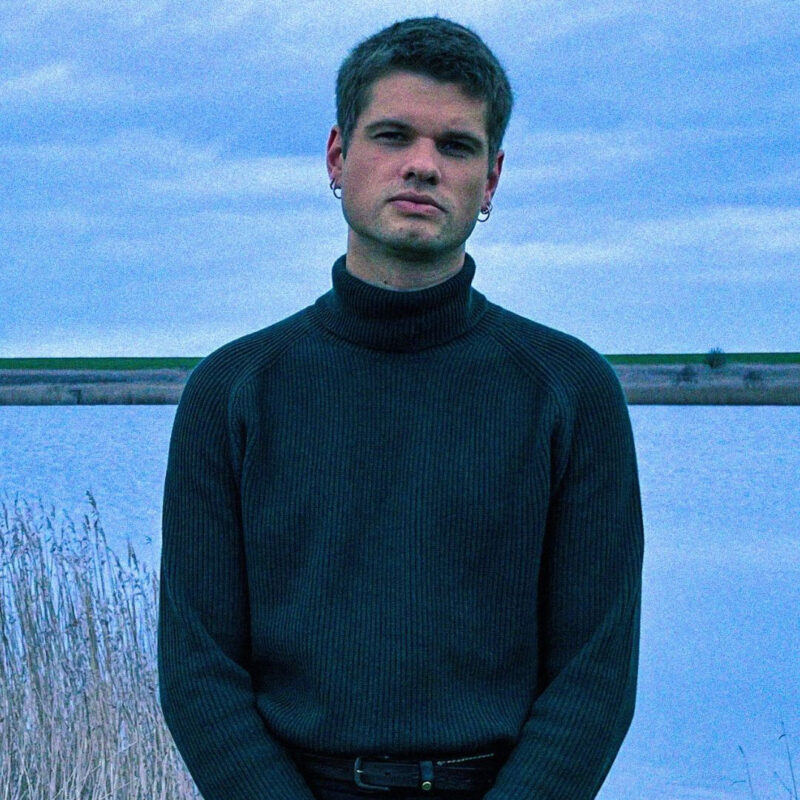
Electronic sounds emerge and disappear in the next moment, distorted vocal samples—deliberately chopped up—blend into catchy melodies, and in the background, one can hear the deep pulse of a piano pedal. In Quicche’s highly emotional, effect-laden music, it quickly becomes clear that production holds as much importance as songwriting itself, resulting in songs that have a lot to reveal—always.
When the arrangements seem disorienting at times, it is the sentimental harmonies that continue to embrace you. The emotional spectrum ranges from drifting away on ambient mattresses, through pure folktronica melancholy, to liberating catharsis. Take the song “Mid 30s HB,” for instance: it crackles and bubbles, rises and collapses, before ultimately breaking out with brutal power. The drums seem to echo into eternity, the guitars roar with a shoegaze-like intensity, and the vocoder can be felt deep under the skin—leaving you with a dropped jaw.
Marc Grünhäuser—the musician behind the project—spent a month recording his debut album in Northern Germany; in a secluded house with an improvised studio and self-imposed limitations (both in terms of human contacts and equipment). When listening to “Frisia,” the pervasive sense of nostalgia and loneliness, along with the unconventional use of instruments and field recordings, makes one feel this isolation in every word and note. It is no surprise that even before Quicche’s first release, the legendary London-based tastemaker label R&S Records (Aphex Twin, James Blake etc.) took notice of the project and signed him.
Ultimately, Quicche’s music is so remarkable because it demonstrates how humans and machines can complement each other and evoke sentimental feelings. Often, it sounds as if something is broken, and it is precisely this quality that makes everything feel so alive. Every crack makes the whole thing tangible, allowing light to shine through. You feel understood: things don’t need to be perfect to have an impact. On the contrary, the imperfect is even more impactful. It’s the same with music as it is with people. These songs understand that—and in turn, we feel understood by them.
By Lennart Brauwers